
Summary
Dredging plays a critical role in port development, coastal protection, shipping channel maintenance, and offshore infrastructure projects. As India expands its maritime trade capacity and coastal industrial zones, the demand for reliable dredging contractors and marine engineering expertise continues to grow.
This guide explains how dredging works, the types of dredging used in real projects, how contractors select equipment, what affects project costs, and where the Indian marine sector is heading. It is designed for port authorities, EPC contractors, infrastructure planners, and industrial decision-makers seeking practical insight before selecting a dredging partner.
Table of Contents
- What is Dredging and Why It Matters
- Major Types of Dredging Methods
- Key Applications of Dredging Projects
- How Professional Marine Contractors Execute Projects
- Equipment Used in Modern Dredging
- Cost Factors in Dredging Projects
- Market Trends in the Indian Marine Sector
- How to Choose the Right Dredging Company
- Final Thoughts
1. What is Dredging and Why It Matters
Dredging is the process of removing sediment, sand, rock, or debris from underwater areas to maintain or increase water depth.
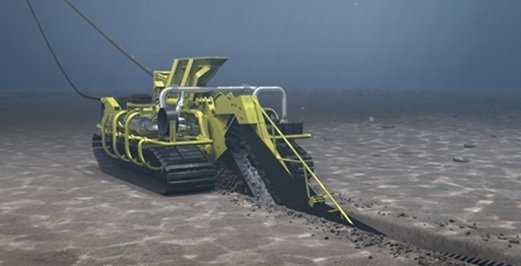
It is essential for:
- Port expansion projects
- Shipping channel maintenance
- Offshore cable & pipeline laying
- Coastal protection works
- Industrial intake & outfall systems
Without regular dredging, ports gradually lose depth and vessel movement becomes restricted.
2. Major Types of Dredging Methods
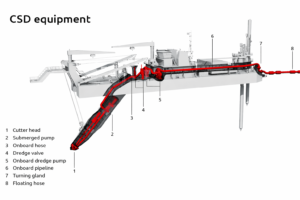
Capital dredging
Used when:
- building new ports
- deepening navigation channels
- land reclamation
This involves large-scale excavation.
Maintenance dredging
Performed periodically to:
- remove silt buildup
- maintain safe vessel depth
- protect port infrastructure
Trenching dredging
Required for:
- subsea pipelines
- underwater power cables
- offshore infrastructure
Key Applications of Dredging Projects
Dredging is not limited to ports alone.
Core sectors using dredging
| Sector | Purpose |
| Ports & Shipping | Channel deepening |
| Oil & Gas | Pipeline trenching |
| Power Plants | Cooling water intake dredging |
| Coastal Infrastructure | Breakwater foundation |
| Desalination Plants | Intake/outfall dredging |
This wide application makes dredging a backbone activity for marine infrastructure.
How Professional Marine Contractors Execute Projects
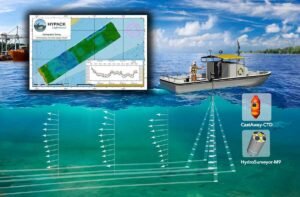
A structured dredging workflow usually includes:
1. Hydrographic survey
Mapping seabed depth and sediment profile.
2. Engineering analysis
Determining soil type and dredging method.
3. Equipment mobilization
Selecting dredger type and marine support fleet.
4. Execution phase
Continuous excavation and monitoring.
5. Disposal management
Transporting dredged material safely.
Equipment Used in Modern Dredging
| Equipment | Best used for |
| Cutter Suction Dredger | Hard soil excavation |
| Trailing Suction Hopper | Large offshore dredging |
| Backhoe Dredger | Precision port work |
| Grab Dredger | Confined areas |
Equipment selection directly impacts:
- project timeline
- operational safety
- execution cost
Cost Factors in Dredging Projects
Major cost drivers include:
- soil hardness
- dredging depth
- offshore distance
- disposal location
- environmental compliance
- mobilization logistics
Projects near industrial coastal zones typically require higher compliance planning.
Market Trends in the Indian Marine Sector
Strong growth drivers
- Sagarmala port expansion program
- Coastal economic zones development
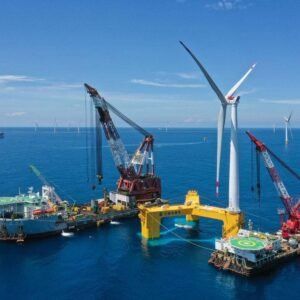
- Offshore renewable energy projects
- LNG terminal expansion
- Increasing container traffic
Industry experts expect consistent dredging demand across:
- West Coast industrial belts
- East Coast logistics hubs
- offshore energy zones
How to Choose the Right Dredging Company
Before awarding a dredging contract, decision-makers typically evaluate:
- completed dredging projects
- marine engineering expertise
- equipment availability
- safety compliance record
- hydrographic capability
- project execution track record
Working with an experienced contractor reduces both schedule risk and operational delays.
Final Thoughts
Dredging remains one of the most critical marine infrastructure activities supporting ports, offshore industries, and coastal development in India. As maritime logistics expands, the role of technically capable dredging contractors becomes even more important.
Organizations planning marine works should always partner with contractors who combine engineering expertise, project execution experience, and modern dredging capabilities to ensure long-term operational success.
