

Summary
Seawater intake systems are critical for coastal power plants, LNG terminals, and desalination facilities. These systems rely on precise dredging to ensure uninterrupted water flow, efficient cooling operations, and long-term structural stability.
In India, where coastal industrial infrastructure is rapidly expanding, the demand for specialized seawater intake dredging contractors is increasing. This guide explains the complete process, technical requirements, equipment selection, and key considerations involved in seawater intake dredging for power plants and industrial marine projects.
Table of Contents
- What is Seawater Intake Dredging
- Importance of Intake Dredging for Power Plants
- Key Components of Seawater Intake Systems
- Dredging Process for Intake Channels
- Equipment Used in Intake Dredging
- Challenges in Coastal Intake Dredging Projects
- Environmental and Regulatory Requirements
- Cost Factors in Seawater Intake Dredging
- Final Thoughts
- FAQs
1. What is Seawater Intake Dredging
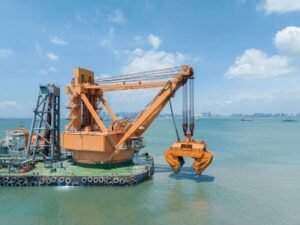
Seawater intake dredging involves excavating seabed material to create channels that allow seawater to flow into industrial systems such as:
- thermal power plants
- nuclear power plants
- desalination plants
- industrial cooling systems
The goal is to maintain a stable and adequate water depth for efficient intake operations.
2. Importance of Intake Dredging for Power Plants
Seawater intake systems directly impact plant performance.
Proper dredging ensures:
- consistent water flow for cooling systems
- prevention of sediment blockage
- improved pump efficiency
- reduced maintenance downtime
Without proper dredging, intake systems can face operational failures.
3. Key Components of Seawater Intake Systems
A typical intake system includes:
- intake channel
- intake structure or pump house
- screening system
- sediment control zone
Each component requires accurate dredging to function efficiently.
4. Dredging Process for Intake Channels
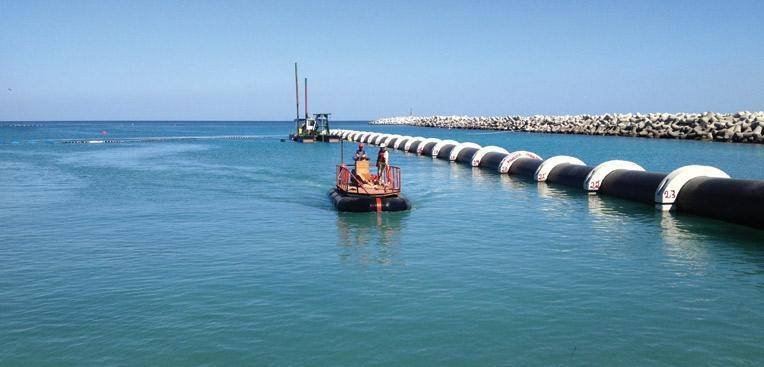
The dredging process involves multiple stages:
Step 1: Hydrographic Survey
- seabed mapping
- depth analysis
Step 2: Soil Investigation
- identifying sand, silt or rock
Step 3: Channel Design
- defining depth and slope
Step 4: Dredging Execution
- excavation using suitable equipment
Step 5: Monitoring and Maintenance
- ensuring long-term performance
This structured approach ensures accurate and efficient dredging.
5. Equipment Used in Intake Dredging
|
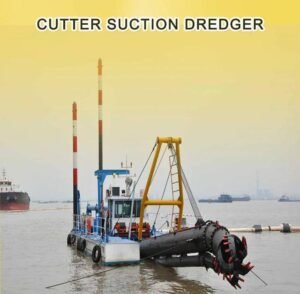
Equipment |
Application |
|
Channel excavation |
|
|
Backhoe dredger |
Precision dredging |
|
Hopper dredger |
Offshore operations |
|
Survey vessel |
Monitoring and mapping |
An experienced marine dredging company in India selects equipment based on project conditions.
6. Challenges in Coastal Intake Dredging Projects
Seawater intake dredging involves several challenges:
- sedimentation due to coastal currents
- tidal variations
- wave action
- environmental restrictions
These factors require careful planning and experienced execution.
7. Environmental and Regulatory Requirements
Projects must comply with:
- Environmental Impact Assessment (EIA)
- Coastal Regulation Zone (CRZ) guidelines
- marine ecology protection norms
Environmental compliance is critical for project approval and execution.
8. Cost Factors in Seawater Intake Dredging
Key cost drivers include:
- dredging depth
- soil type
- offshore distance
- equipment selection
- environmental compliance
Projects involving seawater intake dredging contractor India often require higher precision and engineering expertise, impacting cost.
9. Final Thoughts
Seawater intake dredging is a vital component of coastal industrial infrastructure in India. From power plants to desalination facilities, these systems depend on accurate dredging for efficient operation.
Choosing an experienced dredging contractor in India ensures proper planning, execution, and long-term reliability of intake systems.
As coastal infrastructure continues to grow, the importance of specialized intake dredging will only increase.
10. FAQs
1. What is seawater intake dredging?
A. It is the process of excavating seabed material to create channels for seawater flow into industrial systems.
2. Why is dredging important for power plants?
A.It ensures consistent water supply for cooling systems and prevents sediment blockage.
3. What equipment is used in intake dredging?
A.Common equipment includes cutter suction dredgers, backhoe dredgers, and hopper dredgers.
4. What are the challenges in intake dredging?
A.Challenges include tidal conditions, sedimentation and environmental compliance.
5. How is dredging cost calculated?
A. Cost depends on depth, soil type, equipment and project scale.
